

Timeless Temples to Neon Streets: How Japan Redefines the Modern Travel Experience

Japan truly stands out as a travel destination where the ancient and the ultra-modern coexist beautifully, rather than clashing. In 2026, this remarkable balance is more evident than ever, attracting travellers who are eager to immerse themselves in a country where age-old traditions seamlessly blend with cutting-edge innovation at every corner.

At the core of Japan’s cultural identity lie its temples and shrines, which provide a serene escape for reflection amidst the hustle and bustle of travel. From the ancient Buddhist temples in Kyoto to the Shinto shrines nestled in lively neighbourhoods, these sacred sites are held in high regard and are actively visited. Here, travellers can observe rituals, partake in seasonal festivals, and experience the tranquillity of morning prayers, all of which offer a glimpse into Japan’s enduring spiritual life, untouched by the passage of time.

Tradition in Japan is anything but stuck in the past. Many cultural experiences have been thoughtfully reimagined for today’s travellers. For instance, tea ceremonies are now offered as interactive workshops, giving visitors a chance to dive into the etiquette and philosophy behind them. Traditional crafts like pottery, calligraphy, and kimono dressing are presented in ways that feel personal and engaging, helping to bridge cultural gaps while keeping authenticity intact.

Step into the vibrant cities of Japan, and you will immediately notice the striking contrasts. Tokyo, Osaka, and Yokohama present a futuristic landscape filled with smart infrastructure, efficient transport systems, and captivating digital experiences. High-speed trains whisk you from historic towns to neon-lit cityscapes in just a few hours, allowing you to journey through different eras all in one day. Technology truly enhances your travel experience with cashless payments, handy translation apps, and themed attractions that beautifully merge storytelling with innovation.

Fashion is a vibrant arena where Japan’s unique blend of identities truly stands out. Neighbourhoods like Harajuku and Shibuya are at the forefront of global trends, showcasing daring street styles, while traditional pieces like the kimono still play a significant role in shaping modern design. Local shops often combine vintage vibes with contemporary tailoring, beautifully illustrating Japan’s deep appreciation for both its heritage and innovative spirit.

Food truly enhances the experience. Traditional dishes like ramen, sushi, and tempura sit side by side with innovative dining ideas that give a fresh twist to classic flavors. Whether you are at a cozy family-run spot or a sleek, modern restaurant, Japanese cuisine weaves a narrative of change while staying true to its origins.
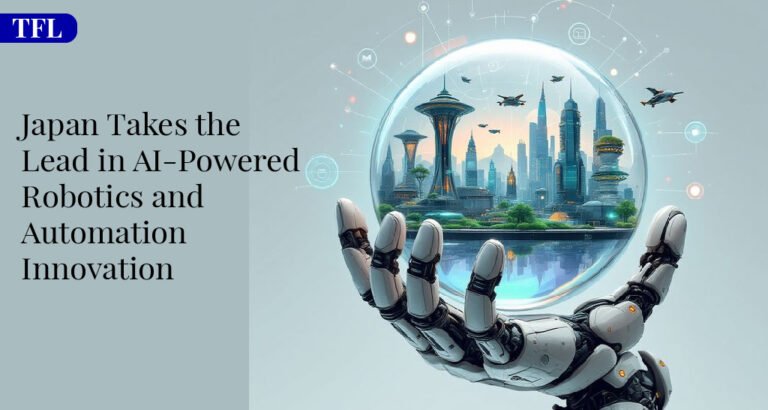
Japan Takes the Lead in AI-Powered Robotics and Automation Innovation

Japan is quickly stepping up its game in the world of artificial intelligence, especially when it comes to robotics and automation. This move is putting the country right at the forefront of the global shift towards smarter and more efficient machines. As businesses around the globe scramble to integrate AI-driven technologies, Japan’s deep-rooted knowledge in robotics, paired with new investments in AI, is transforming not just manufacturing and services, but also our daily lives.

The manufacturing sector is truly the backbone of the country’s leadership. Japanese companies are responsible for a large portion of the world’s industrial robots, and in recent years, we have witnessed a remarkable rise in AI-driven automation within factories. Automotive and electronics manufacturers are increasingly utilizing robots that come equipped with machine learning, computer vision, and predictive analytics. This technology helps enhance precision, minimize errors, and streamline production lines. These smart systems are now capable of adapting in real time, learning from data to boost their performance without needing constant oversight from humans.

Japan is taking a big leap beyond just factories by introducing AI-powered robotics into a variety of new fields. You can now spot service robots in healthcare, retail, logistics, and hospitality, all stepping in to help with labor shortages and the challenges of an aging population. In hospitals and care facilities, these AI-driven robots are lending a hand with patient monitoring, mobility assistance, and everyday tasks, which helps lighten the load for human staff. Meanwhile, in logistics and warehouses, autonomous robots are expertly navigating complex spaces, managing inventory, and boosting the efficiency of last-mile deliveries.

Japan’s robotics scene is buzzing with excitement thanks to innovative showcases and strong industry partnerships. Recently, major tech exhibitions in Tokyo have put the spotlight on robots that can perform advanced visual inspections, interact like humans, and make decisions on their own. What is impressive is the introduction of new AI training tools that enable even those without a tech background to teach robots new tasks quickly. This is speeding up the adoption of automation among small and mid-sized businesses that previously struggled with technology.

Government support is vital in driving this momentum forward. National strategies are focusing on integrating AI, advancing smart manufacturing, and pushing the boundaries of robotics research. Funding is being funneled into startups, universities, and collaborations between the public and private sectors. These initiatives are designed not just to enhance productivity but also to promote the ethical, safe, and human-centered use of AI.