
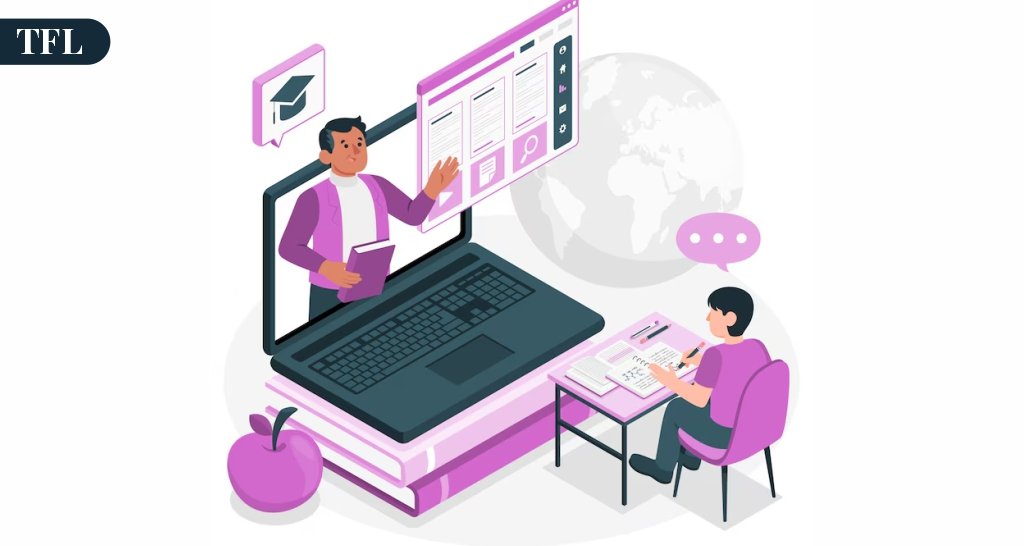
Hybrid Learning Models: Combining In-Person and Online Education

In recent years, there has been a notable transformation in the educational landscape due to the emergence of hybrid learning models. These models integrate the most effective elements of traditional in-person education with online learning, resulting in a flexible and dynamic educational approach that accommodates various needs and learning preferences. As we progress further into the digital era, hybrid learning is gaining traction in educational institutions, including schools, colleges, and universities across the globe.

Hybrid learning integrates traditional classroom engagement with online educational experiences, enabling students to take advantage of both settings. In a standard hybrid framework, certain lessons are taught in person, while others are facilitated via digital platforms, including virtual classrooms, video lectures, or collaborative online discussions. This approach offers students the flexibility to learn at their own pace and according to their individual schedules, while still preserving crucial aspects of face-to-face interaction, such as collaboration with peers and direct engagement with educators.

One of the primary benefits of hybrid learning is its inherent flexibility. Students can access course materials, assignments, and resources via the internet, enabling them to engage in learning beyond the confines of conventional classroom hours. This aspect is especially advantageous for individuals with demanding schedules or those residing at a considerable distance from educational facilities. The online elements also facilitate a more tailored learning experience, allowing students to review lectures, partake in self-directed exercises, or join online discussions, thereby enhancing their understanding of the material.

Additionally, hybrid learning promotes a combination of independence and teamwork. Students are motivated to take charge of their educational journey through online modules, while also having the chance to engage with classmates and instructors during in-person sessions. This approach enhances active involvement and enriches their comprehension of the subject matter. The integration of these two learning modalities can enhance student engagement and improve overall educational results.

From an institutional standpoint, hybrid learning enhances reach and accessibility. It has the capacity to serve a greater number of students, mitigate logistical difficulties, and facilitate innovative pedagogical approaches. Furthermore, institutions can modify content delivery in response to feedback, ensuring that both online and face-to-face components effectively address student requirements.

Hybrid learning presents certain challenges. A significant number of students may lack access to essential technology or a reliable internet connection, which can impede their capacity to engage fully. Furthermore, educators are required to modify their instructional strategies to accommodate both online and face-to-face settings, necessitating further training and preparation. In summary, hybrid learning models signify a hopeful advancement in the field of education, integrating the most advantageous elements of both conventional and digital learning approaches. Despite the presence of certain challenges, the advantages of greater flexibility, tailored learning experiences, and improved collaboration render hybrid learning an effective instrument for contemporary education.
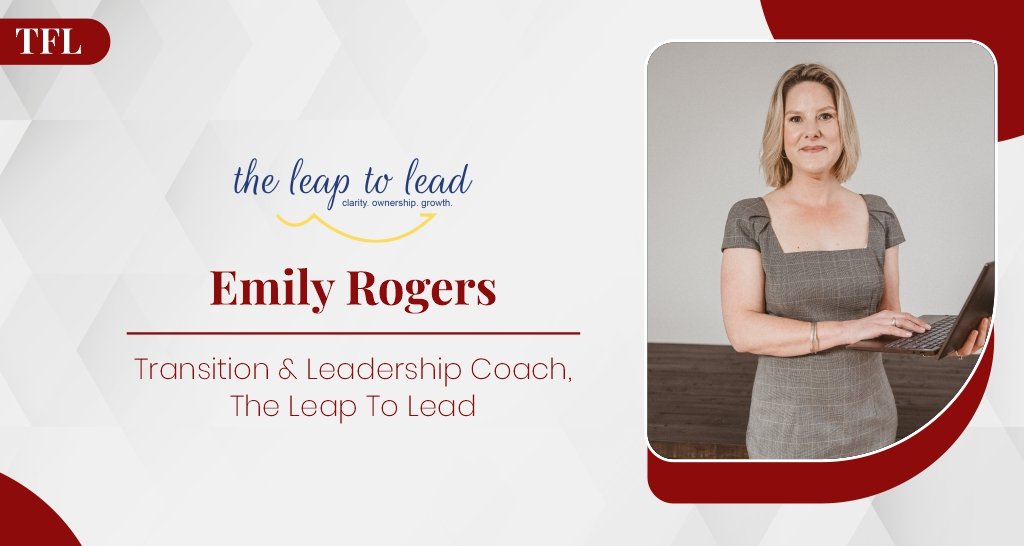
Leap to Lead: A Mission to Support Families to Thrive in Transition

The transition industry stands as a formidable force in the global market, driven by a multitude of factors including urbanization, economic growth, and evolving consumer preferences. The Leap to Lead is on a mission to support families to thrive in transition, no matter if it is their first or fifth move or repatriation. “There are always challenges with any transition and by providing support to the assignee and their partner, organizations are ensuring the success of the project or transfer,” says Emily Rogers, Transition & Leadership Coach.

Beating the Odds

“As with any new venture, there are always challenges from the basics of establishing a new company to learning marketing. I would like to think that I have embraced the challenges and focused on doing the best I could at each stage. Starting with basic WhatsApp support groups for mums moving countries over 5 years ago, I have been able to develop the Wellbeing Workshop Series for organizations. This is my most popular service as it provides a low-cost opportunity for organizations to support their assignees and their partners across a range of well-being topics,” added Emily.

The Inception Story

“The Leap to Lead was established following my own experience moving around Asia for 12 years, moving every 2 years. I recognize that many organizations provide logistic support for international moves, but rarely do organizations consider the well-being and emotional support of the assignee and their family. In many cases where the assignment failed, it was because the partner/spouse had not settled into the new location. Having been in senior HR positions and supporting assignees, then with my own experience, I recognized a significant gap and an opportunity to support other families,” says Emily.

Our Services

“The most popular service is the Wellbeing Workshop Series. This is a virtual workshop held every 2 months for all international hires and their partners/spouses. Focusing on a range of topics, these workshops are practical and provide insights into what living a globally mobile life can involve. In addition, The Transition Lab is an 8-week online course that supports the partner/spouse to settle quickly into their new location, no matter where they are moving. Some aspects are common irrelevant of location. Organizations that are vested in their talent and know that it is the spouse who often causes failure of an assignment when they don’t settle also offer a 3 month on one coaching program that supports the spouse to identify how they can make the most of their experience abroad,” explained Emily.

The differentiating factor

“Not only have I lived the mobile life, moving every 2 years around Asia in what are often considered hardship locations. I have held senior HR roles where I have been responsible for relocating families. I understand both the assignee experience as well as the organizational perspective. This is positioned The Leap to Lead as a unique offering for organizations that recognize how essential it is to support the well-being of their people.”

Clientele

“I work with organizations that are moving people across countries, these can be any sector and any industry. All of my services are online/virtual enabling The Leap To Lead to support assignees and their families regardless of location.”

The work culture

The Leap to Lead is built on the core values of Clarity, Growth, Ownership, and Impact. With these values core to everything that is offered and provided, I know The Leap To Lead is serving those who need it most.

Client Testimony

Helen Murphy

“My biggest concern was helping my daughter transition. The [workshops] were very helpful and provided me the opportunity to talk about it in a nonjudging atmosphere. The resources provided were great.”

Emma Unsworth

“Before the [workshops] I was worried about arriving in a new country, supporting and sorting my family needs, making new friends, and finding time and things for me. The [workshops] gave me focus, with a friendly facilitator brimming with helpful resources.”


An Expat Client

“The [workshops] are about helping each other to settle in and cope with this new life. They help to make it more relaxing and less challenging. We could share our experience, and laugh about it!”

The Future Roadmap

The Leap to Lead aims to be at the forefront of transitions and supporting organizations moving people across countries. Development is underway on a concept of Transition Intelligence (TQ) which will provide a simple assessment tool organizations can use to assess their TQ. It is an exciting space, especially as organizations believe 2024/25 is the period that International Assignments will reach pre-pandemic levels. Providing targeted support in the area of TQ will be a game changer.

Visit Emily Rogers – LinkedIn Profile

Visit Website –https://www.theleaptolead.com