
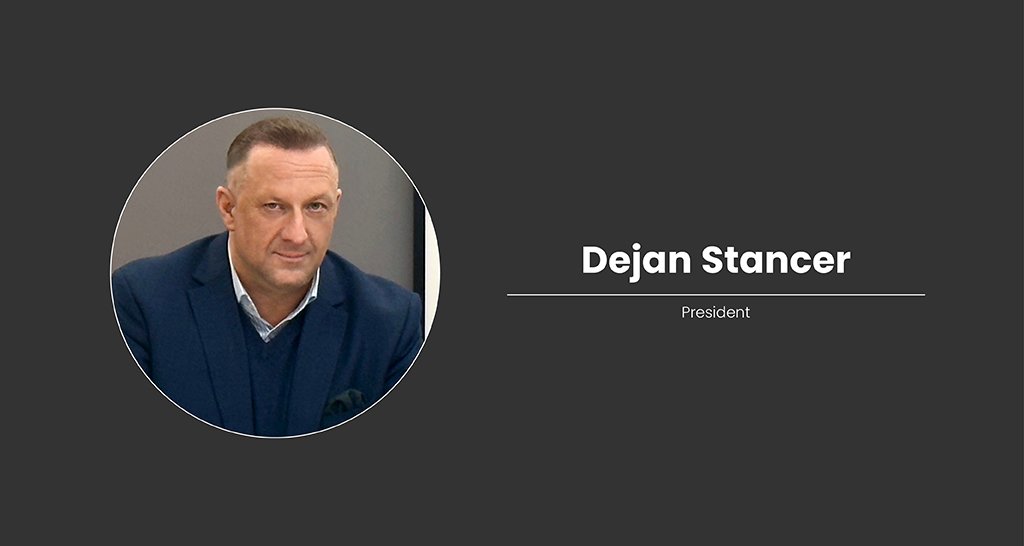
Global Diplomacy Through Business: A Visionary Conversation with Dejan Štancer, President of the Global Chamber of Business Leaders

1. You have played a significant role in shaping international business diplomacy through the Global Chamber of Business Leaders. What inspired you to establish the organization?

The Global Chamber of Business Leaders was born out of a simple but powerful realisation: the world was entering an age where political diplomacy alone was no longer enough. Economic influence, ethical leadership, and cross-border cooperation had become the true engines of stability. I founded GCBL because I believed that business leaders—when connected, principled and committed to cooperation—could become one of the strongest diplomatic forces of the 21st century.

What inspired me was the need to create a platform where integrity would be stronger than division, where ideas would travel faster than conflict, and where global leaders could shape prosperity not by competing for advantage, but by building bridges. Today, I see that vision becoming reality.

2. What mission or core purpose continues to drive the Global Chamber of Business Leaders today?

Our mission is unwavering: to transform global leadership into a force for cooperation, responsibility, and sustainable progress.

GCBL exists to connect influential leaders, to foster ethical decision-making, and to support initiatives that advance global peace, economic resilience, and responsible innovation.

Through our programs, our Global Trends Magazine, and our Global Coalition for Cooperation and Peace, we are building a community that chooses collaboration over chaos and principles over profit.

Our recently obtained special consultative status with the United Nations further strengthens our mandate: to contribute directly and constructively to shaping global policy and sustainable development.

3. In your role as President of the Global Chamber of Business Leaders, how do you guide and oversee the organisation’s daily functioning and decision-making?

As President of the Global Chamber of Business Leaders, I lead the organisation with a clear philosophy: global influence must be grounded in ethical governance, strategic clarity, and the strength of collective intelligence.

GCBL is a complex, international structure—uniting leaders, institutions, diplomats, and innovators across continents. My role is to ensure coherence, direction, and integrity in everything we do. I oversee daily functioning through a combination of structured governance and empowered leadership. We have a strong executive framework, but our decision-making remains inclusive, transparent, and deeply aligned with our core mission.

Every strategic decision we take—from global partnerships to UN engagement, from the work of our Global Coalition for Cooperation and Peace to the editorial line of Global Trends Magazine—is guided by one central question: Does this advance cooperation, stability, and responsible global progress?

I believe that a leader’s task is not to centralise power but to build an ecosystem where excellent people can excel. At GCBL, I ensure that our teams operate with discipline, that our processes reflect the highest standards of accountability, and that our actions always honour the trust placed in us by global partners.

In short, my responsibility is to safeguard the vision, uphold the standards, and ensure that GCBL remains one of the world’s most respected platforms for global business diplomacy.

4. In your view, what key challenges and opportunities will global businesses face in 2025?

2025 will be a decisive year—one where global businesses face both unprecedented risks and historic opportunities.

The challenges are clear: geopolitical uncertainty, polarized societies, climate-linked disruptions, and the rapid acceleration of AI. But with these challenges come opportunities to rethink value creation, to innovate responsibly, and to build partnerships that cross traditional boundaries.

Those who embrace ethical AI, sustainable practices, and international cooperation will not only survive—they will lead. Those who continue to act in isolation will struggle in a world where interdependence has become the new reality.

In short: the winners of 2025 will be those who understand that the future is no longer built alone.

5. Your leadership approach is often described as visionary and collaborative. What core values or philosophies guide your decision-making and leadership style?

My leadership is grounded in five principles:

Integrity, because leadership without ethics is simply power without purpose.
Cooperation, because no major challenge today can be solved by one nation, one company, or one individual.
Clarity, because people follow a leader who knows where he is going.
Courage, because progress rarely comes from comfort.
Responsibility, because influence means nothing without accountability.

I believe a leader’s true strength lies not in raising his voice, but in raising the voices of others. Vision creates direction, cooperation delivers results.

6. Looking ahead, what initiatives or strategic goals are you most focused on advancing through the Global Chamber of Business Leaders in the coming years?

Our strategic priorities are ambitious, and intentionally so.

We are expanding GCBL’s global network to strengthen economic diplomacy across all regions. We are deepening our work within the United Nations system, ensuring that the voice of responsible business leadership is present where global policy is shaped.

The Global Coalition for Cooperation and Peace will remain central to our agenda—because peace is not an ideal, it is a strategy.

We are also growing Global Trends Magazine into a global thought-leadership platform that challenges old narratives and introduces bold ideas for the future.

Our goal is simple: to ensure that business leaders are not only participants in global change, but architects of it.

7. What advice would you give to future entrepreneurs and leaders aspiring to make a global impact?

First, build your character before you build your company. Integrity opens doors that money never will.

Second, think globally from day one. The world is interconnected, and opportunities rarely stay within national borders.

Third, surround yourself with people who challenge you, not those who agree with you. Innovation lives in diversity.

And finally: never forget that leadership is not measured by how high you climb, but by how many people rise because of you.

If you aspire to change the world, begin by changing the way you show up in it—every day, with courage, humility, and purpose.
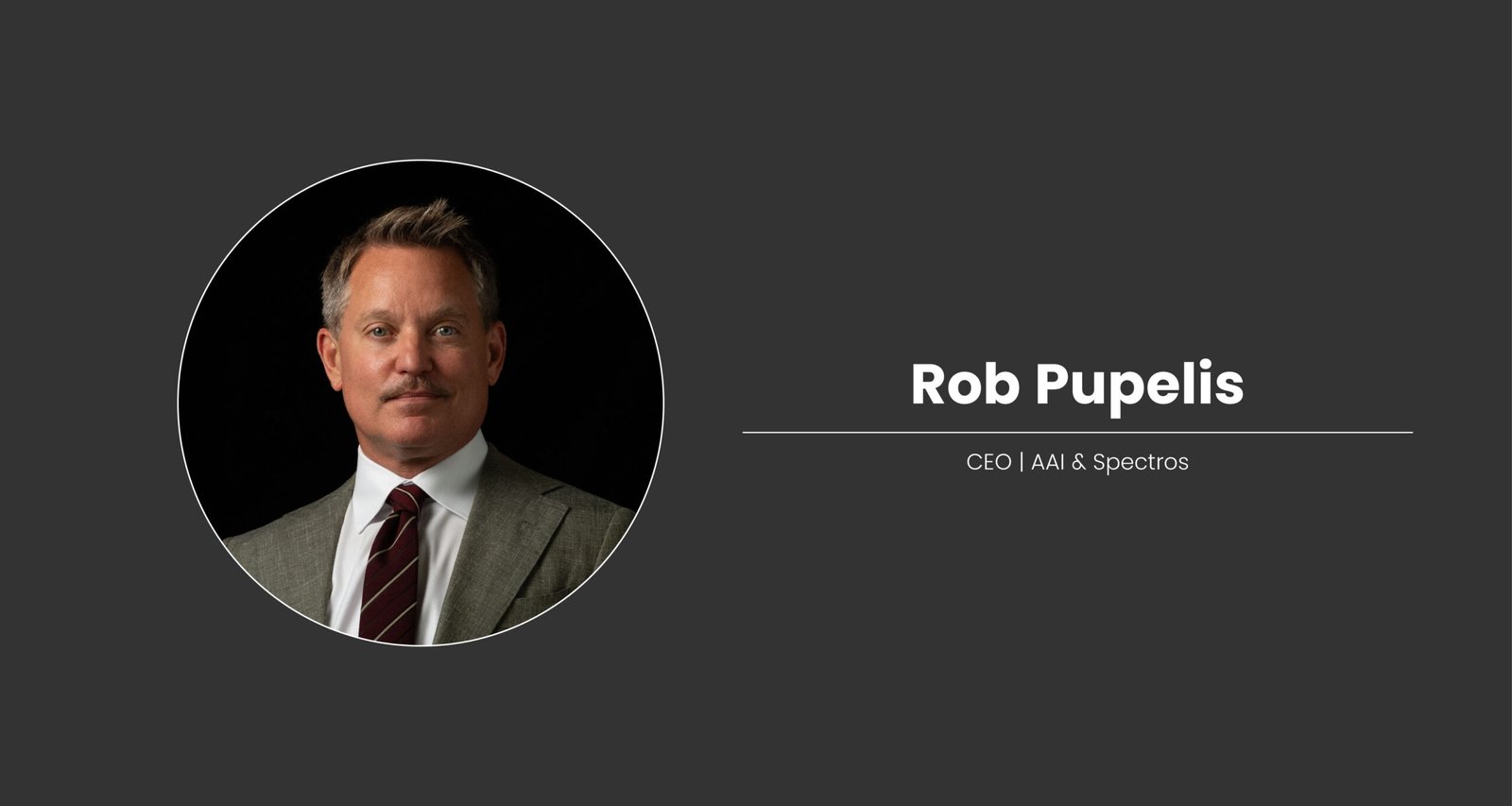
Rob Pupelis: Leading AAI & Spectros into a New Era of Progress

When Rob Pupelis founded AAI & Spectros, he wasn’t simply launching another technology company he was igniting a movement. A movement to modernize critical industries, elevate standards, and ensure that the tools people depend on in high-stakes environments are as reliable as the individuals who use them. Rob’s journey, shaped by resilience, reinvention, and a relentless commitment to meaningful innovation, has made him one of the most compelling leaders redefining how precision technology supports real-world decisions.

A Vision Born from Opportunity, Frustration, and Purpose

The inception of AAI & Spectros traces back to a singular insight: advanced technology existed, but it was not always accessible, integrated, or designed with the user in mind. Rob saw a gap; one that was costing industries time, efficiency; and, in some cases, lesser surgical outcomes.

What inspired him was not a single moment of revelation but a combination of experiences that illuminated the profound impact even incremental improvements could have. He understood that when design, usability, and reliability intersect, the results ripple through entire ecosystems of care, safety, and performance.

This understanding became the blueprint for AAI & Spectros. Rob envisioned a platform that merged innovation with integrity, precision with practicality. From day one, the mission was clear: to elevate industry standards not through noise or novelty, but through purpose-driven technology that empowers those on the frontlines.

The Early Years: Reinvention as a Strategy for Survival

Like many founders, Rob did not take a linear path. AAI & Spectros began as a services-based company offering an alternative to traditional outpatient surgeries better equipment, better environments, and drastically lower costs. Logically, it was the future. Practically, it was a battlefield.

Despite superior outcomes, managed care providers and insurance companies denied claims with frustrating consistency. The financial strain became suffocating. Bankruptcy loomed. It was, in many ways, the crucible that forged the company’s philosophy.

Faced with mounting pressure, Rob made the most difficult yet defining decision of his career: to reinvent the company before the market forced his hand. He shifted from service provision to innovation and product development, pivoting AAI & Spectros toward a future anchored not in systems resistant to change, but in technologies capable of driving it.

This reinvention transformed the organization and indeed Rob himself. It taught him that resilience is not endurance alone but evolution. It set the tone for everything AAI & Spectros would become.

Leadership with Clarity and Courage

Today, Rob leads with a philosophy that blends strength with empathy, ambition with humanity. His style is rooted in clarity of vision, transparent communication, and a profound respect for people.

He believes that individuals perform best when they feel seen, supported, challenged, and genuinely connected. For him, camaraderie is not a workplace luxury but an essential ingredient for innovation. AAI & Spectros is fast-paced, high-performing, and unapologetically purposeful but it is also a place where people laugh, grow, and build real bonds.

Under his guidance, the culture has become a hybrid of accountability and compassion, excellence, and joy. Rob often says that the true measure of leadership isn’t what a company accomplishes it is who the people within it become along the way.

A Defining Achievement

Among the company’s many milestones, Rob considers the redevelopment of the T-Stat system the most meaningful achievement. What began as a straightforward improvement project evolved into a mission to redefine how physiological data is monitored in critical environments.

By strengthening its design, refining its capabilities, and aligning it with the real needs of medical and field professionals, the team transformed T-Stat from an instrument into an indispensable platform for better decision-making.

Today, it is widely regarded as a potential global standard of care technology capable not only of capturing data but of shaping outcomes. For Rob, the true reward lies not in market dominance but in the lives T-Stat changes each and every day.

Driving Innovation Through Purpose, Not Trend-Chasing

Innovation at AAI & Spectros isn’t a buzzword it’s a discipline. Rob ensures the company remains ahead of the curve by fostering a culture where curiosity meets strategy.

Rather than chasing the latest technological trends, the company focuses on understanding what truly matters: customer needs, emerging risks, scientific advancement, and internal creativity. Some of the company’s best ideas have come from team members questioning assumptions or challenging outdated practices.  Leadership keeps the company lean, agile, and ready to evolve not in reaction to change but in anticipation of it.

Inspiring Teams Through Trust, Instinct, and Intention

Rob motivates not through pressure or perks, but through connection and clarity. He communicates vision with conviction and helps each team member see their role in achieving it.

He trusts his instincts when hiring, often identifying leaders whose potential far exceeds their résumés. Many of AAI & Spectros’ most influential contributors were handpicked, nurtured, and elevated long before others recognized their abilities. As a leader, he removes barriers, ensures resources, celebrates effort, and never hesitates to roll up his sleeves. His example rooted in integrity, accountability, and humility sets the tone.

Technology and Sustainability: Twin Pillars of the Future

At AAI & Spectros technology and sustainability aren’t optional they are the foundation of the future they are building. The companies are deeply invested in modernizing legacy systems, advancing AI-powered decision support, and designing products that anticipate tomorrow’s needs. Their approach to sustainability extends beyond environmental responsibility; it encompasses the durability of products, the well-being of employees, and the long-term trust of partners and communities.

Maintaining Focus and Harmony Through Intentional Living

Despite the demands of leadership, Rob views balance not as perfection but as rhythm. Focus comes from purpose. Resilience comes from intentional routines physical movement, meaningful relationships, restorative downtime, and quiet reflection.

He prioritizes what matters, delegates with trust, and protects the clarity needed to lead decisively. In his world, harmony is achieved not by doing less, but by doing what matters most with presence and conviction.

The Next Five Years: Scaling Impact, Not Just Size

Looking ahead, Rob envisions a future where AAI & Spectros expands with intention. The next five years will center on deepening impact through smarter technology, ethical growth, and breakthrough innovation.

Key initiatives include:

  • T-Stat 3.0: a next-generation system with dramatically reduced hardware, advanced virtual capabilities, intelligent software, and a significantly lower carbon footprint.
  • Next-generation Aquecool: designed to accelerate healing, reduce complications, and elevate patient outcomes.
  • Expanded R&D: deeper integration of advanced technologies and AI-driven insights.
  • Leadership development: building an organization known as much for the leaders it develops as the technologies it creates.

For this CEO, success is measured in lives impacted, standards elevated, and the people who grow alongside the mission.

A Message to Future Leaders

Rob offers aspiring leaders a powerful perspective: leadership is simple, but not easy. It is a series of deliberate, values-driven choices made consistently over time.

“Be brave enough to care deeply,” he advises, “and disciplined enough to act on it.”

He encourages future leaders to stay curious, surround themselves with challengers not cheerleaders and protect their integrity above all else. Markets shift. Technologies evolve. Trends fade. But values endure. For Rob, leadership is ultimately about legacy not the kind written in headlines, but the kind written in its people.

“Success isn’t just what you build,” he says. “It’s who we help build along the way.”

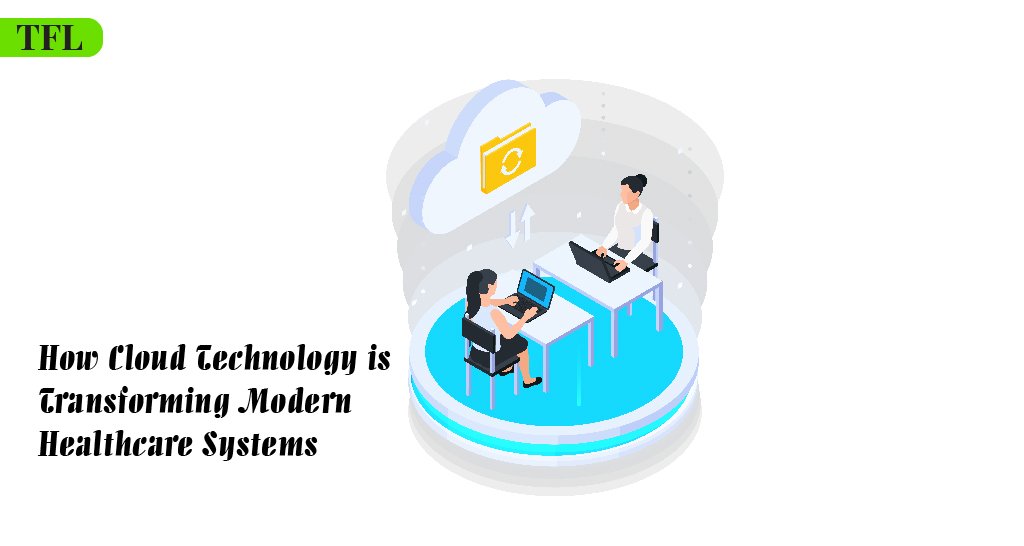
How Cloud Technology is Transforming Modern Healthcare Systems

In today’s fast-paced world, cloud technology is becoming a key player in transforming how healthcare operations function. More health systems are turning to cloud-based infrastructure to enhance everything from delivering clinical care to managing administrative tasks, and the effects are truly significant.

At the core of this transformation is a shift from outdated, on-premises systems to more scalable and flexible cloud platforms. Traditional infrastructure often found it tough to keep up with spikes in data, the growing demands of telehealth, and the need for quick innovation. By embracing cloud solutions, healthcare organizations can adjust their resources on the fly, roll out new services swiftly, and handle varying workloads with greater efficiency.

Operational efficiency is on the rise too. By adopting cloud-first strategies, healthcare providers can cut down on costly infrastructure and switch to a pay-as-you-go model. This shift has significant benefits for managing costs and enhancing flexibility. Plus, using cloud-based automation helps simplify administrative tasks like scheduling appointments, handling billing, and distributing lab results.

When it comes to clinical care, cloud platforms really shine by making it easier to coordinate everything. Patient data can be accessed, shared, and analysed seamlessly across different systems and locations. This is especially important for telehealth, remote monitoring, and initiatives aimed at improving population health. With the cloud as the backbone, hospitals and clinics can roll out patient-facing portals, home care platforms, and real-time monitoring on a large scale.

The cloud plays a crucial role in enhancing security and data governance. With healthcare being a prime target for cyber threats, cloud providers are pouring resources into strong encryption, advanced threat detection, automated updates, and compliance measures.

Moving to the cloud successfully comes with its own set of hurdles. Organizations need to carefully weave in their existing systems, help staff navigate the changes, agree on data governance policies, and select the right cloud deployment model whether that’s public, private, or hybrid tailored to their operational, clinical, and regulatory requirements.

In short, cloud technology has become essential in healthcare. It is not just an option anymore; it is a key player in modernizing operations, enhancing patient experiences, streamlining costs, and sparking innovation in care. Organizations that adopt it with care will find themselves in a stronger position for the future of healthcare delivery.