Dr. Georgios Matis: Revolutionizing The Field Of Neuromodulation And Pain Relief

Can you tell us about your current role and the types of patients you work with?

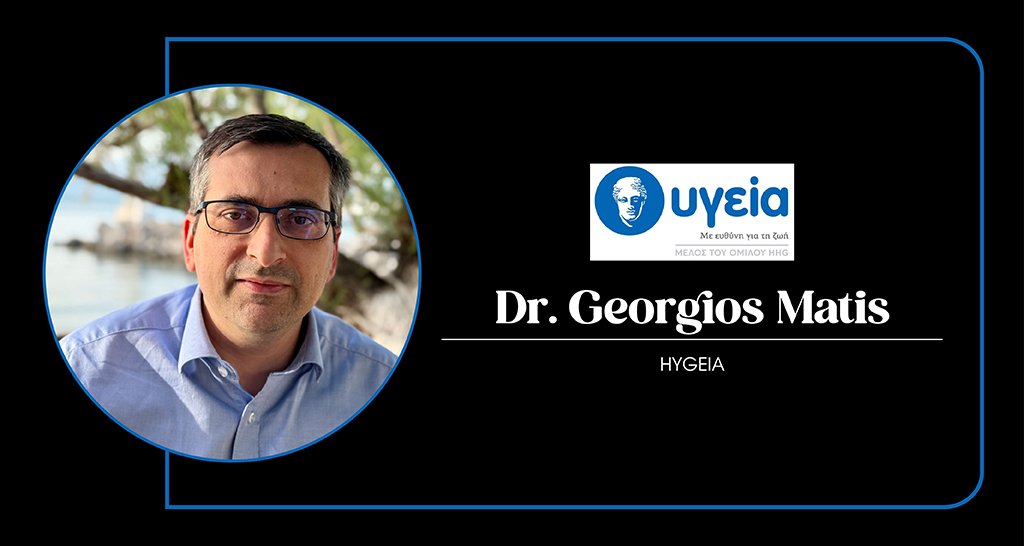
For 11 years, I had the privilege of working at the University Hospital Cologne, where from 2018 to 2025, I led the Pain and Spasticity Section within the Department of Stereotactic and Functional Neurosurgery. Starting on September 1st, I will join HYGEIA Hospital in Athens, Greece, where I will continue my mission of improving patients’ quality of life through advanced neuromodulation therapies. I treat individuals suffering from chronic pain and spasticity, always with empathy, precision, and innovation. As Heraclitus said, ‘There is nothing permanent except change.’ Embracing this change allows me to bring cutting-edge care to my home country and support chronic pain and spasticity patients with renewed passion and dedication.

What were the initial hurdles you encountered in establishing or advancing this section, and how did you overcome them?

One of the primary hurdles was fostering interdisciplinary trust and awareness about the value of neuromodulation within a traditional clinical framework. Convincing colleagues and administrators required persistence, education, and the demonstration of tangible patient outcomes. I focused on building a solid foundation through scientific evidence, compassionate care, and transparent communication. With unwavering commitment, I created a culture of collaboration and innovation—turning skepticism into support. The greatest victories often begin with the hardest challenges.

Please walk us through your leadership journey in the medical field—what inspired you to take on a leadership role in pain and spasticity care?

Leadership in pain and spasticity care was a natural evolution of my passion for patient-centered neuromodulation. Early in my career, I was mentored by visionary pioneers who showed me that true leadership means serving others—patients, colleagues, and the field itself. I was driven by the need to advocate for underutilized therapies and to build bridges between innovation and clinical practice. Leading means empowering others, shaping systems, and never ceasing to learn. As Aristotle said, “He who has overcome his fears will truly be free.” I strive to lead with courage, empathy, and responsibility, ensuring that each patient has access to the most advanced, evidence-based treatments that can restore dignity, function, and hope.

What qualities or values do you consider essential for medical leadership in today’s fast-evolving healthcare environment?

Medical leadership today requires a fusion of clinical excellence, ethical integrity, and visionary thinking. In a rapidly evolving healthcare landscape, adaptability, empathy, and interprofessional collaboration are indispensable. A true leader must inspire trust, empower teams, and advocate for innovation while always prioritizing patient well-being. As Heraclitus wisely said, “The only constant in life is change.” Embracing this truth allows leaders to navigate complexity with resilience and clarity. Leadership is not about authority—it is about responsibility, humility, and the unwavering commitment to improve lives through knowledge, compassion, and courage.

What are some of the most innovative treatments you use for managing chronic pain?

In our interdisciplinary approach to chronic pain management, we employ a range of cutting-edge neuromodulation techniques tailored to individual patient needs. These include spinal cord stimulation—both traditional and closed-loop systems—offering precise, adaptive therapy; intrathecal drug delivery, which allows targeted, low-dose analgesia with minimal systemic side effects; radiofrequency procedures for selective nerve modulation; and peripheral nerve stimulation, particularly valuable for localized neuropathic pain. These minimally invasive therapies restore function and dignity, often where conventional methods fail. As Hippocrates said, “Healing is a matter of time, but it is sometimes also a matter of opportunity.” We aim to provide that opportunity through innovation, compassion, and scientific rigor.

Can you highlight a specific leadership challenge you’ve faced in your career and how you managed to resolve it?

One of the most defining leadership challenges I faced was integrating a multidisciplinary neuromodulation program within a traditionally conservative hospital environment. Resistance to change and skepticism towards novel technologies were significant. I addressed this by fostering open dialogue, emphasizing evidence-based outcomes, and involving all stakeholders in the process. Through persistence, transparency, and shared purpose, we built trust and transformed initial resistance into active collaboration. Today, this program is a cornerstone of the hospital. True leadership lies in guiding others through change—not with authority, but with vision, empathy, and unwavering commitment to patient care.

What role does teamwork play in your daily practice, especially with professionals from different fields?

Teamwork is the cornerstone of my daily practice. In the complex field of neuromodulation, true progress arises from synergy—where neurosurgeons, anesthesiologists, nurses, physiotherapists, and psychologists contribute their unique expertise toward one common goal: improving the patient’s quality of life. This interdisciplinary collaboration is not merely coordination; it is a dynamic exchange that enhances decision-making and patient outcomes. As Aristotle wisely said, “The whole is greater than the sum of its parts.” It is in this spirit that we transform challenges into solutions, ensuring that every patient receives holistic, individualized care.

What advice would you give to young doctors and students who want to specialize in neurosurgery or pain medicine?

Passion is the foundation of a meaningful career in neurosurgery and pain medicine. This path demands dedication, resilience, and a deep commitment to alleviating human suffering. My advice to young doctors is to stay curious, seek out mentors who inspire you, and never lose sight of the patient at the center of every decision. Embrace every opportunity to learn—from the operating room to the bedside—and remember the words of Socrates: “The only true wisdom is in knowing you know nothing.” Let your passion guide you, your humility ground you, and your empathy elevate the care you provide. This is not just a profession—it is a lifelong calling to serve.

Recently, my three books have been released: “Intrathecal Therapy and Ziconotide: A Comprehensive Guide for Pain Management,” “From Surgeons to Storytellers: Building Bridges with Patients in Neuromodulation,” and “Pain and Pulses: A Philosophical Dive into Spinal Cord Stimulation.”

📌 Visit Dr. Georgios Matis 👉  – LinkedIn Profile
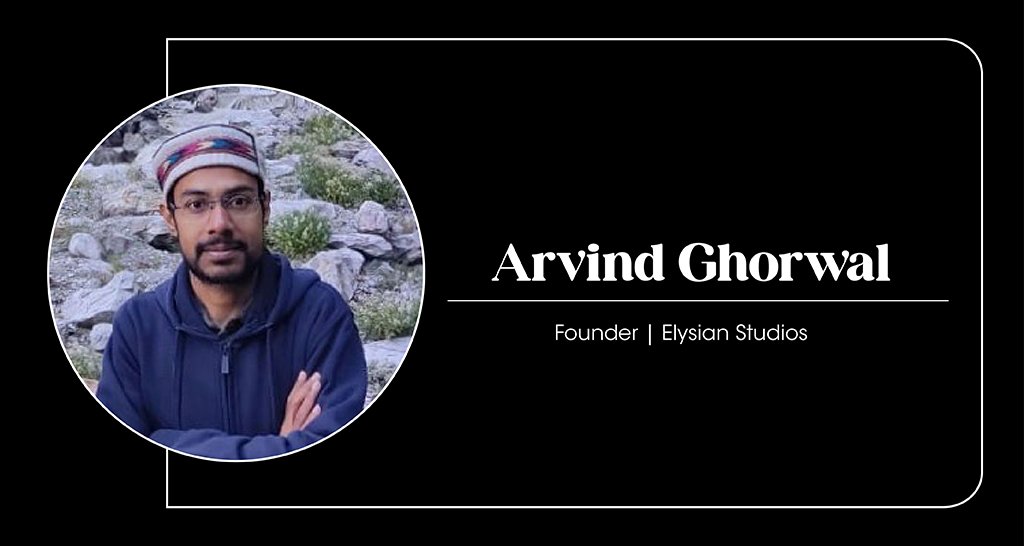
 

From Vision To Reality: Arvind Ghorwal’s Journey With Elysian Studios

1. Can you share your leadership journey and what inspired you to become a leader in your field?

My leadership journey started quite naturally when I entered the VR industry. In the early days, we were creating 360-degree VR content for businesses, which was exciting because it felt like we were stepping into a whole new world. As we grew, we began producing our own original content, which gave me the freedom to explore creativity on a deeper level.

What really helped me become a leader in this field was having early access to emerging technologies and a genuine curiosity to see what was possible. I’ve always had an innovative mindset, and VR felt like the perfect space to enter. Looking back, it wasn’t just about technology — it was about believing in new ways of experiencing reality and having the courage to lead others into that vision.

2. What key qualities do you believe are essential for a leader in today’s business world?

I believe the most essential qualities for a leader today are loving what you do, perseverance, and the ability to “hold on” through challenges. Things rarely go exactly as you imagine — there are constant ups and downs that can easily pull you off your original path. True leadership, especially in entrepreneurship, is about being flexible enough to create new paths when necessary, while staying committed to your vision.

It’s about having the patience and resilience to keep moving forward, even when immediate results aren’t visible. Over time, the seeds you plant with dedication and belief eventually grow and bear fruit when the time is right.

3. What are the initial challenges that you faced during the inception and how did you overcome those challenges?

One of the biggest challenges during the inception was keeping the team aligned to the same vision. It’s a difficult process, especially when you are working in a rapidly evolving

technological landscape. In the world of new tech, things change fast, and it’s crucial to not just keep pace but also deeply understand the shifts happening around you.

We had to constantly tweak our approach, innovate on the go, and most importantly, stay patient. Leading a team through such uncertainty felt like sailing through a storm — the key was to stay focused, adapt, and trust the process. Eventually, with persistence and belief, we found ourselves reaching a new land — a place filled with renewed hope, energy, and enthusiasm.

4. Can you share the inspiration behind the inception of Elysian Studios and highlight a groundbreaking strategy or innovation you’ve implemented that has helped redefine industry standards?

The inception of my organization was a very organic journey. I was initially working at a startup founded by my friends and seniors, where I was first exposed to new technologies. We were a group of innovators, constantly experimenting with new tech to create better user experiences.

This spirit of innovation naturally led to starting something of our own.

We loved building, meeting people, and sharing what we were creating. It was a process full of energy and exploration. One thing led to another — we ventured into different industries, trying new ideas. Some worked, some didn’t, but what kept us going was our passion for innovation and our determination to keep moving forward, no matter the outcome.

Today, we are channeling our journey into a new product called “Elysian,” which is currently in its early stages. The idea behind Elysian is simple yet powerful — when you click on the pictures of some of the greatest human beings in history, you’ll be taken on a visual journey through their lives, accompanied by the words they spoke.

Our goal is to create an experience that moves, inspires, and teaches. We want these extraordinary individuals to serve as torchbearers for anyone seeking guidance, courage, or purpose in their own journey. Through Elysian, we hope to honor their legacy and light the way for others.

5. Beyond business success, what societal or global impact do you aspire to achieve through your work?

Beyond business success, my deeper aspiration is to help revive the timeless wisdom of the greatest leaders who have walked this Earth. In today’s fast-paced world, we often forget the words, values, and lessons they left behind. I believe it’s crucial that we read, reflect, and adapt their life journeys to improve the society we live in today.

Their golden words — through poems, speeches, and sheer acts of brilliance and charisma — still have the power to move us, inspire us, and awaken lessons long forgotten. Through our work, I hope to create a space where people can reconnect with this wisdom, renew their own lives, and build a future filled with greater purpose, understanding, and hope.

6. What advice would you give to the next generation of leaders aspiring to leave their mark in the business world?

My advice to the next generation of leaders is to focus on building organizations that are designed to last — not just for a few years, but for decades. We need more enduring institutions that bring stability to the market and allow new technologies to be embraced thoughtfully, at their natural pace, rather than being forced upon society too quickly.

True leadership is about patience and evolution — not just evolving your products and services, but evolving yourself as a human being. When you grow personally, your organization can grow holistically, diversifying into areas like philanthropy, education, healthcare, and more.

We must recognize that even today, many people still lack access to basic standards of living. As leaders, it’s our responsibility not just to innovate for profit, but to work toward uplifting society and creating a better future for all.

7. As we approach 2025, what are your key goals and milestones, and how do you plan to maintain your status as a leader to watch? 8. Brief us about your future roadmap?

As we move toward 2025, our primary focus is building and expanding Elysian (elysian.studio). Our goal is to continuously improve both the quality and quantity of the content on our platform. Every day, as I immerse myself in the wisdom, words, poems, speeches, and images of the great leaders we feature, I find myself making better decisions — both personally and professionally.

It’s a constant reminder of the true essence of living and innovating. When you engage deeply with the remarkable journeys and life stories of extraordinary individuals, it becomes almost impossible not to strive for a better life yourself. These timeless lessons teach us the fundamentals of existence, and if we can hold on to them, we will see our dreams unfold naturally.

By staying rooted in these values while continuing to innovate, I believe we can maintain our momentum and remain a leader to watch in the years ahead.


Driving Innovation With Social Impact In Mind

Technology is no longer just a tool – it is an integral part of our lives, shaping how we think, interact & evolve as a society. As we stand at the crossroads of rapid digital transformation, the responsibility to drive innovation with social impact has never been more urgent. In a world where screens dominate our attention, where distractions are abundant & where digital experiences shape childhood, the question we must ask is – Are we using technology to truly enhance lives or are we merely optimizing for efficiency?

I strongly believe that technology should be a force for good – one that protects, empowers & uplifts individuals in meaningful ways. Whether it is safeguarding children from the hidden dangers of the digital world, promoting mindfulness in an age of information overload or reducing distractions for a more focused & productive life, our commitment to responsible innovation remains unwavering. True progress isn’t just about what is possible; it is about what is meaningful. The future of technology must not only be smart & efficient but also compassionate and purposeful, ensuring that digital advancements enrich lives rather than complicate them. The time to innovate with a conscience is now.

“Innovation isn’t just about breaking boundaries – itis about building a future where technology serves humanity, uplifts lives & sparks a ripple of positive change.”


Empowering the Next Generation

Children of today are growing up in a world surrounded by screens, online interactions & digital experiences. While technology offers them endless opportunities for learning & entertainment, it also exposes them to various risks, including cyber threats, excessive screen time & privacy concerns. The challenge is not to eliminate technology from their lives but to create a secure environment where they can explore safely.

With technology – there are many innovative solutions designed to protect children in the digital world. They ensure online safety through real-time monitoring, parental controls & AI-driven alerts, giving parents peace of mind while allowing kids to learn & grow responsibly. While tools like KidSecure address specific concerns, the broader conversation is about equipping children with the right digital habits & educating parents on fostering a balanced approach to technology use.

Beyond security, digital well-being initiatives should include awareness on responsible online behavior, digital literacy programs in schools & industry collaborations to create kid-friendly online ecosystems. When technology is designed with best interests of children in mind, we empower the next generation with confidence & security in the digital space.

Cultivating Mindfulness & Positivity Through Technology

Mindfulness has become an essential practice today. As stress levels rise & distractions increase, people are seeking ways to stay present, cultivate positivity & lead more meaningful lives. While technology is often blamed for creating stress, it can also be leveraged to foster mindfulness & emotional well-being.

There are a lot of technology solutions and platforms designed to inspire & uplift individuals through thought-provoking quotes & daily affirmations. By integrating positive reinforcement into our daily routines, products like UnfoldQuotes help users shift their mindset & embrace a more optimistic outlook on life.

However, the impact of mindfulness extends beyond a single tool. Organizations & individuals must proactively integrate mindfulness into their digital experiences. This can include developing apps that encourage meditation & deep breathing, promoting social media detox strategies & designing interfaces that prioritize calm & focus over engagement-driven metrics. The role of technology should not be to demand constant attention but rather to provide moments of clarity, inspiration & reflection.

Businesses & workplaces should recognize the importance of digital well-being. Encouraging employees to take mindful breaks, providing access to mental health resources & fostering a culture that values work-life balance are critical steps toward a healthier workforce. By aligning technological innovation with human-centric values, we can create digital environments that nurture well-being rather than diminish it.

Overcoming Digital Distractions for a More Productive Life

The modern world is filled with constant digital distractions – social media notifications, endless news cycles & a never-ending stream of content. While technology has significantly improved productivity, it has also made it increasingly difficult to maintain focus & mental clarity. Striking a balance between staying connected & managing distractions is crucial for both personal & professional success.

Technology comes to the rescue here too – there are wonderful products designed to promote healthier smartphone habits by offering intervention activities & customizable features that help users regain control over their digital lives. By analyzing usage patterns & providing tailored recommendations, products like CumulusAI empower individuals to manage distractions effectively & focus on what truly matters.

Beyond individual solutions, addressing digital distractions requires a cultural shift. Companies will need to rethink their approach to workplace productivity, reducing unnecessary digital interruptions & fostering an environment that values deep work. Employees should be encouraged to set boundaries, use productivity-enhancing tools & practice mindful technology use.

Educational institutions, too, play a vital role in shaping healthier digital habits. By incorporating digital wellness education into curricula, schools can help students develop a balanced approach to technology from an early age. Teaching children & young adults how to manage screen time, practice digital detox techniques & use technology intentionally will prepare them for a future where digital literacy is as important as traditional literacy.

The Future of Socially Conscious Innovation

Technology has the potential to be one of the most powerful forces for good – if developed with intention & responsibility. Innovation should not only focus on what’s possible but also on what’s meaningful & beneficial for society. At UnfoldLabs, our approach to product development prioritizes not just technical excellence but also social impact.

As we move forward, companies across industries must embrace responsible innovation by addressing issues such as digital well-being, digital parenting, device security, etc. Collaboration between businesses, governments & non-profits will be key in ensuring that technology serves humanity rather than disrupts it.

Ultimately, the goal should be to create solutions that enhance safety, increase positivity & minimize distractions – helping individuals lead more mindful, focused & secure lives. By keeping social impact at the heart of innovation, we can build a future where technology uplifts rather than overwhelms, empowers rather than exploits & connects rather than isolates.

The responsibility lies with all of us – innovators, users & decision-makers – to shape a digital landscape that aligns with our values & aspirations. Only then can we truly drive innovation with social impact in mind.

“The true power of technology lies not in its efficiency, but in its ability to inspire, empower & create a world where progress is measured by its positive impact on society.”


My Thoughts – A Glimpse into the Future

Looking ahead, the next wave of technological advancements will be driven by an even deeper integration of AI, machine learning & personalized experiences. The future will see smart digital assistants that not only respond to queries but proactively guide users toward healthier & more productive digital habits. Virtual reality & augmented reality could be leveraged for immersive mindfulness experiences, allowing individuals to step into calming environments that enhance their mental well-being.

Moreover, as AI ethics & regulation gain traction, companies must work harder to ensure that technological progress does not come at the expense of privacy or human agency. The ideal future is one where technology serves as an invisible ally – helping us become more present, more aware & more connected to the things that truly matter.

UnfoldLabs remains committed to pioneering solutions that bridge innovation with social good. Our mission is not only to develop groundbreaking technology but also to ensure that it leads to a better, more sustainable future for all. By creating digital tools that prioritize security, mindfulness & focus, we hope to shape a world where technology is not a source of stress but a pillar of support for well-being of the humanity.

The future of technology is not just about advancement – it is about responsibility. It is about shaping a world where technology empowers, uplifts & protects. It is about ensuring that every innovation serves a higher purpose, making our lives not just more convenient, but more meaningful. Let us drive innovation with social impact at its core & build a future that benefits everyone.

Author Bio:

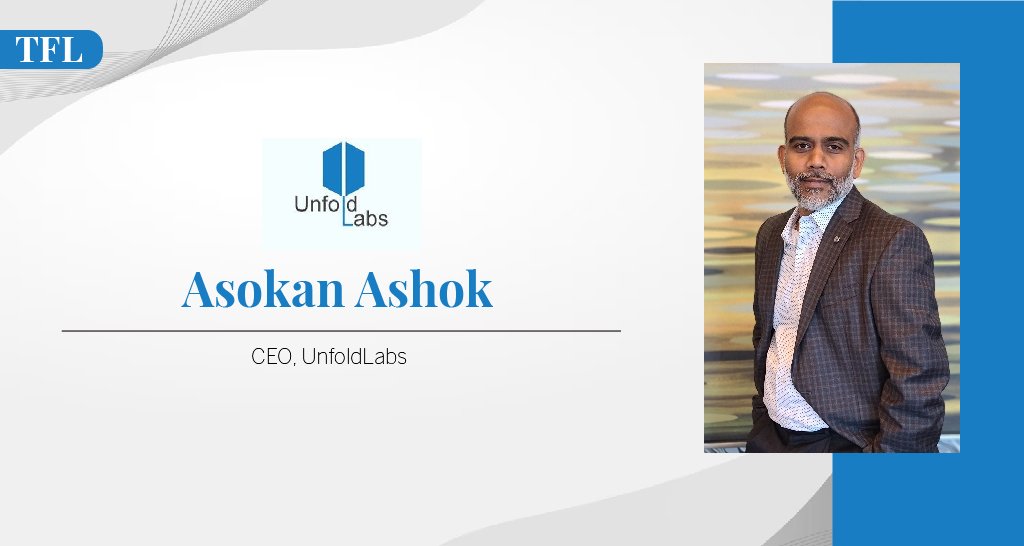
Asokan Ashok, CEO – UnfoldLabs, is an expert in driving customer insights into thriving businesses & commercializing products for scale. As a leading strategist in the technology industry, he is great at recommending strategies to address technology & market trends. Highly analytical & an industry visionary, Ashok is a sought after global high-tech industry thought leader, mentor & trusted strategic advisor.

Entrepreneur. Inventor. Product Ideation. Strategist. Visionary. Evangelist. Architect.


Precision Oncology And Targeted Cancer Therapies: Revolutionizing Cancer Treatment

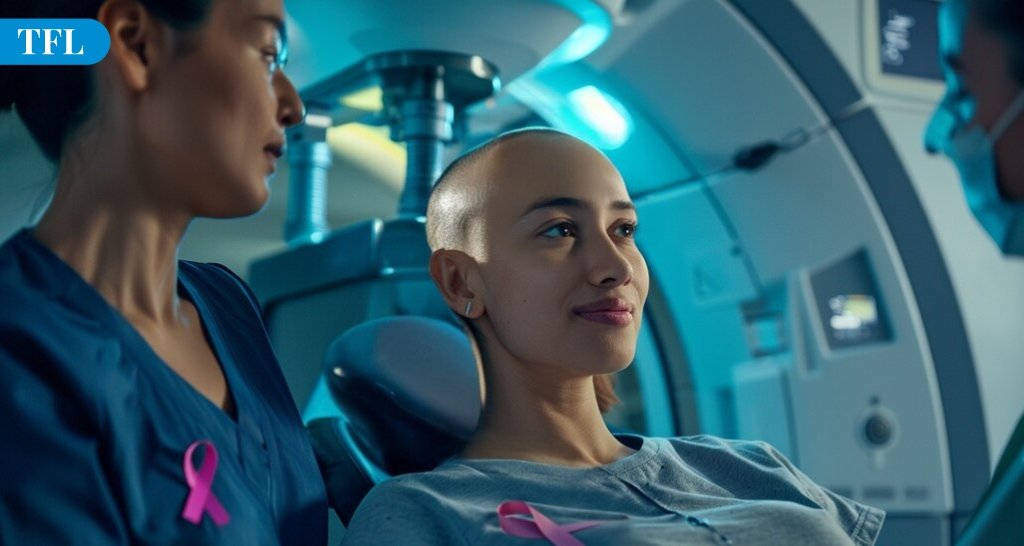
Cancer continues to pose a significant challenge in contemporary medicine; however, recent developments in precision oncology and targeted therapies provide renewed optimism. In contrast to conventional cancer treatments that generally adopt a broad approach, precision oncology customizes treatment based on the unique characteristics of a patient’s cancer, considering the genetic profiles of both the cancer and the individual. This tailored strategy holds the promise of enhancing treatment outcomes while reducing adverse effects.

What is Precision Oncology?

Precision oncology represents a progressive domain within cancer treatment that utilizes comprehensive genetic data to guide therapeutic choices. This approach is predicated on the identification of the distinct molecular and genetic changes that contribute to cancer in each patient. By employing genomic testing, healthcare professionals can detect mutations, gene expression profiles, and various molecular indicators unique to the patient’s cancer. Consequently, this enables a more personalized treatment strategy, contrasting with the conventional “one-size-fits-all” approaches typically associated with chemotherapy and radiation.

In precision oncology, the emphasis is placed on understanding the molecular foundations of the disease. For instance, the genetic profile of a tumor may uncover mutations or proteins that are overexpressed and contribute to the progression of cancer. Upon identifying these markers, healthcare professionals can choose therapies that directly address these irregularities, thereby protecting healthy cells and tissues from avoidable harm.

Targeted Cancer Therapies: The Pillar of Precision Oncology

Targeted therapies represent a fundamental aspect of precision oncology. These treatments are specifically engineered to address the molecular alterations that contribute to cancer development. By concentrating on the genetic and molecular weaknesses of cancer cells, targeted therapies can inhibit the signals that facilitate the growth, division, and dissemination of these cells.

Certain targeted therapies operate by obstructing the abnormal proteins generated by mutations. Alternatively, some therapies aim to impede the development of blood vessels that nourish tumors or to rectify deficiencies in DNA repair processes. Medications such as tyrosine kinase inhibitors, monoclonal antibodies, and immune checkpoint inhibitors exemplify targeted therapies that have demonstrated considerable efficacy in the treatment of various cancers, including lung, breast, and colorectal cancers.

Benefits of Precision Oncology and Targeted Therapies

The main benefit of precision oncology lies in its capacity to provide more effective treatments while minimizing side effects. Conventional therapies, such as chemotherapy, frequently harm healthy cells in addition to targeting cancerous ones, resulting in significant side effects including hair loss, nausea, and fatigue. In comparison, targeted therapies tend to be more specific, resulting in a reduced incidence of adverse effects.

Furthermore, precision oncology offers hope for individuals with cancers that were previously deemed challenging to manage. By uncovering the genetic foundations of a cancer, healthcare professionals may be able to discover novel and effective treatment options or combinations that had not been contemplated before.

The Bottom Line

Precision oncology and targeted cancer therapies signify a transformative change in the approach to cancer treatment, delivering more individualized and effective therapeutic alternatives. With ongoing research, it is anticipated that these therapies will continue to evolve, resulting in improved patient outcomes and enhanced quality of life. The future of cancer treatment is clearly moving towards greater precision and a focus on the patient, ushering in a new era of optimism for individuals impacted by the disease.

Elysian Studios: A Unique and In-depth Approach to Virtual Reality

The Virtual Reality (VR) Market size is estimated at USD 67.66 billion in 2024 and is expected to reach USD 204.35 billion by 2029, growing at a CAGR of 24.74 percent during the forecast period (2024-2029). Virtual reality technology, a computer-simulated reality creating an artificial environment, is increasingly used in sectors like cinema, education, gaming, and AI applications. In India, it all started with Raja Harishchandra (1913), India’s first feature film, which tells the story of a righteous king and showed a brilliant understanding of Indian audiences by the film’s director, Dadasaheb Phalke (the Father of Indian Cinema).

Phalke, and the other filmmakers of his generation, knew they could instantly win vast audiences by rooting cinema in Hindu mythology with stories of religious and divine characters. By the late 1930s, films were being produced in every major city and every major language. The ancient epics of Ramayana and Mahabharata influenced the narratives of Indian cinema. This influence includes the techniques of a side story, a back story, and a story within a story.

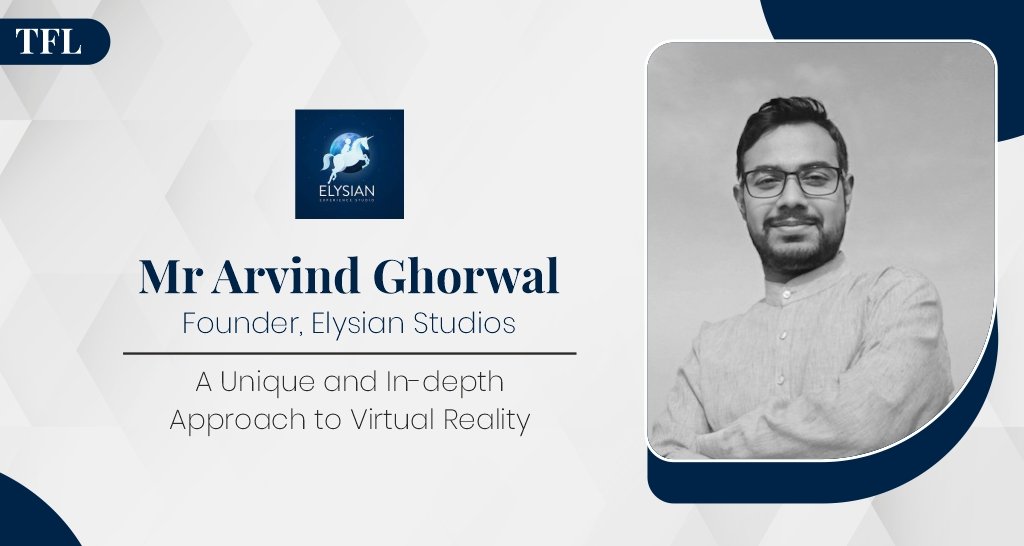
Founded in November 2015 by Arvind Ghorwal, Elysian Studios has embarked on a unique and in-depth approach to virtual reality storytelling, crafting blissful VR experiences that transport audiences to spiritual places, fostering growth, evolution, and transformation. “Virtual Reality is a technological masterpiece that does not just show stories but immerses us in them. The screen moves from being in front of our eyes to surrounding us, offering a 360° view of a world that mirrors reality. It is not just watching it is living the story, becoming the star, and influencing the narrative through your own decisions, just like in the real world,” says Mr Arvind Ghorwal, Founder, Elysian Studios.

The bigger picture

“Our viewers are transported to some of the most ancient, blissful, and energetic lands on Earth. From the mystical city of Kashi, dedicated to Lord Shiva, to the serene Bodh Gaya, where Buddha found enlightenment, and the yoga capital, Rishikesh.” Elysian Studios weaves narratives that transcend time and space. Elysian Studios VR films have not only captured the hearts of viewers worldwide but have also garnered acclaim in prestigious international arenas.
“Our creations have been officially selected at renowned film festivals. Elysian Studios is captivating audiences with its immersive VR experiences.” It remains at the forefront of the ever-evolving VR landscape. With their innovative storytelling and dedication to spiritual exploration, they inspire viewers to embark on a transformative journey. Elysian Studios is shaping dreams, creating bliss, and offering a glimpse into the incredible, transformative power of India’s ancient wisdom. As the world adapts to this new reality, Elysian Studios is reminding everyone that the journey of storytelling has only just begun, and the best is yet to come. As the world immerses itself in the wonders of virtual reality, Elysian Studios represents India’s rich cultural heritage and its limitless potential.

The wave of change

Today, Virtual Reality presents new possibilities for human connection and transcendence. Where technology meets spirituality through the transformative power of VR, Elysian Studios has emerged as a pioneer, a divinely inspired entity, and a growing force beyond entertainment. Elysian Studios is inviting all to embark on a spiritual odyssey through uniquely crafted experiences.

“When India became independent in 1947, it already had a blossoming film industry that had been going from strength to strength since its birth. Then comes the golden age of Indian cinema (late 1940s–1960s), the movies that made it to the list of best films ever created in the history of Indian cinema- Guru Dutt’s Pyaasa (1957) and Kaagaz Ke Phool (1959), Mehboob Khan’s Mother India (1957), Raj Kapoor’s Awaara (1951) and Shree 420 (1955), K. Asif’s Mughal-e-Azam (1960), Satyajit Ray’s Pather Panchali (1955) and many other such classics. The most iconic songs from the golden era- Pyar Hua Iqrar Hua (Shree 420), Jab Pyar Kiya toh Darna Kya (Mughal-E-Azam), Jaane Kahan Mera Jigar Gaya Ji (Mr. & Mrs. 55), Lag Jaa Gale (Woh Kaun Thi?), Awara Hoon (Awaara), Udein Jab Jab Zulfen Teri (Naya Daur) are still played in India. They fill the hearts with joy and bliss,” adds Mr Ghorwal.

The man behind the curtain

Mr Arvind is a visionary entrepreneur whose belief in the potential of VR technology was strengthened by the awe and wonder he witnessed in the faces of people experiencing VR for the first time. His passion for merging spirituality with cutting-edge technology laid the foundation for Elysian Studios’ exceptional journey. Arvind is an alumnus from IIT Mumbai who embarked on this path with a vision to shed off the Western influence that has clouded our understanding of ancient Indian wisdom.

The gift of 21st century

Although VR seems extremely futuristic, its origins are not as recent as we might think. Many people consider that one of the first Virtual Reality devices was called Sensorama, a machine with a built-in seat that played 3D movies, gave off Odours, and generated vibrations to make the experience as vivid as possible. The invention dates back as far as the mid-1950s. Subsequent technological and software developments over the following years brought with them a progressive evolution both in devices and in interface design.

This immersive multimedia offers a 3D virtual world, enhancing learning experiences and gaming environments. AI integration further enriches the virtual environment. The development of the metaverse, a collective shared space combining VR, augmented reality, mixed reality, and brain-computer interface, promises an interactive virtual reality experience. The VR market, segmented by hardware, end-user, and geography, is dominated by the gaming sector, with North America leading due to numerous startups focusing on computer-generated reality technologies.

VR and the future

“With the extended reality (XR) revolution already underway, it is easy to envision a future in which the lines between the real world and the virtual world become even more blurred than they are today. Virtual reality is not an entirely new concept, but recent advancements in technology have made it more accessible and immersive than ever before. VR allows viewers to step into the story, providing a sense of presence and interaction like never before. With VR headsets becoming more affordable and user-friendly, filmmakers can now create fully immersive experiences that transport audiences into fictional worlds or real-life events. This technology opens endless possibilities for storytelling, breaking the boundaries of traditional filmmaking and giving rise to a new form of cinematic experience,” concluded Mr Ghorwal.