
Driving Innovation With Social Impact In Mind

Technology is no longer just a tool – it is an integral part of our lives, shaping how we think, interact & evolve as a society. As we stand at the crossroads of rapid digital transformation, the responsibility to drive innovation with social impact has never been more urgent. In a world where screens dominate our attention, where distractions are abundant & where digital experiences shape childhood, the question we must ask is – Are we using technology to truly enhance lives or are we merely optimizing for efficiency?

I strongly believe that technology should be a force for good – one that protects, empowers & uplifts individuals in meaningful ways. Whether it is safeguarding children from the hidden dangers of the digital world, promoting mindfulness in an age of information overload or reducing distractions for a more focused & productive life, our commitment to responsible innovation remains unwavering. True progress isn’t just about what is possible; it is about what is meaningful. The future of technology must not only be smart & efficient but also compassionate and purposeful, ensuring that digital advancements enrich lives rather than complicate them. The time to innovate with a conscience is now.

“Innovation isn’t just about breaking boundaries – itis about building a future where technology serves humanity, uplifts lives & sparks a ripple of positive change.”


Empowering the Next Generation

Children of today are growing up in a world surrounded by screens, online interactions & digital experiences. While technology offers them endless opportunities for learning & entertainment, it also exposes them to various risks, including cyber threats, excessive screen time & privacy concerns. The challenge is not to eliminate technology from their lives but to create a secure environment where they can explore safely.

With technology – there are many innovative solutions designed to protect children in the digital world. They ensure online safety through real-time monitoring, parental controls & AI-driven alerts, giving parents peace of mind while allowing kids to learn & grow responsibly. While tools like KidSecure address specific concerns, the broader conversation is about equipping children with the right digital habits & educating parents on fostering a balanced approach to technology use.

Beyond security, digital well-being initiatives should include awareness on responsible online behavior, digital literacy programs in schools & industry collaborations to create kid-friendly online ecosystems. When technology is designed with best interests of children in mind, we empower the next generation with confidence & security in the digital space.

Cultivating Mindfulness & Positivity Through Technology

Mindfulness has become an essential practice today. As stress levels rise & distractions increase, people are seeking ways to stay present, cultivate positivity & lead more meaningful lives. While technology is often blamed for creating stress, it can also be leveraged to foster mindfulness & emotional well-being.

There are a lot of technology solutions and platforms designed to inspire & uplift individuals through thought-provoking quotes & daily affirmations. By integrating positive reinforcement into our daily routines, products like UnfoldQuotes help users shift their mindset & embrace a more optimistic outlook on life.

However, the impact of mindfulness extends beyond a single tool. Organizations & individuals must proactively integrate mindfulness into their digital experiences. This can include developing apps that encourage meditation & deep breathing, promoting social media detox strategies & designing interfaces that prioritize calm & focus over engagement-driven metrics. The role of technology should not be to demand constant attention but rather to provide moments of clarity, inspiration & reflection.

Businesses & workplaces should recognize the importance of digital well-being. Encouraging employees to take mindful breaks, providing access to mental health resources & fostering a culture that values work-life balance are critical steps toward a healthier workforce. By aligning technological innovation with human-centric values, we can create digital environments that nurture well-being rather than diminish it.

Overcoming Digital Distractions for a More Productive Life

The modern world is filled with constant digital distractions – social media notifications, endless news cycles & a never-ending stream of content. While technology has significantly improved productivity, it has also made it increasingly difficult to maintain focus & mental clarity. Striking a balance between staying connected & managing distractions is crucial for both personal & professional success.

Technology comes to the rescue here too – there are wonderful products designed to promote healthier smartphone habits by offering intervention activities & customizable features that help users regain control over their digital lives. By analyzing usage patterns & providing tailored recommendations, products like CumulusAI empower individuals to manage distractions effectively & focus on what truly matters.

Beyond individual solutions, addressing digital distractions requires a cultural shift. Companies will need to rethink their approach to workplace productivity, reducing unnecessary digital interruptions & fostering an environment that values deep work. Employees should be encouraged to set boundaries, use productivity-enhancing tools & practice mindful technology use.

Educational institutions, too, play a vital role in shaping healthier digital habits. By incorporating digital wellness education into curricula, schools can help students develop a balanced approach to technology from an early age. Teaching children & young adults how to manage screen time, practice digital detox techniques & use technology intentionally will prepare them for a future where digital literacy is as important as traditional literacy.

The Future of Socially Conscious Innovation

Technology has the potential to be one of the most powerful forces for good – if developed with intention & responsibility. Innovation should not only focus on what’s possible but also on what’s meaningful & beneficial for society. At UnfoldLabs, our approach to product development prioritizes not just technical excellence but also social impact.

As we move forward, companies across industries must embrace responsible innovation by addressing issues such as digital well-being, digital parenting, device security, etc. Collaboration between businesses, governments & non-profits will be key in ensuring that technology serves humanity rather than disrupts it.

Ultimately, the goal should be to create solutions that enhance safety, increase positivity & minimize distractions – helping individuals lead more mindful, focused & secure lives. By keeping social impact at the heart of innovation, we can build a future where technology uplifts rather than overwhelms, empowers rather than exploits & connects rather than isolates.

The responsibility lies with all of us – innovators, users & decision-makers – to shape a digital landscape that aligns with our values & aspirations. Only then can we truly drive innovation with social impact in mind.

“The true power of technology lies not in its efficiency, but in its ability to inspire, empower & create a world where progress is measured by its positive impact on society.”


My Thoughts – A Glimpse into the Future

Looking ahead, the next wave of technological advancements will be driven by an even deeper integration of AI, machine learning & personalized experiences. The future will see smart digital assistants that not only respond to queries but proactively guide users toward healthier & more productive digital habits. Virtual reality & augmented reality could be leveraged for immersive mindfulness experiences, allowing individuals to step into calming environments that enhance their mental well-being.

Moreover, as AI ethics & regulation gain traction, companies must work harder to ensure that technological progress does not come at the expense of privacy or human agency. The ideal future is one where technology serves as an invisible ally – helping us become more present, more aware & more connected to the things that truly matter.

UnfoldLabs remains committed to pioneering solutions that bridge innovation with social good. Our mission is not only to develop groundbreaking technology but also to ensure that it leads to a better, more sustainable future for all. By creating digital tools that prioritize security, mindfulness & focus, we hope to shape a world where technology is not a source of stress but a pillar of support for well-being of the humanity.

The future of technology is not just about advancement – it is about responsibility. It is about shaping a world where technology empowers, uplifts & protects. It is about ensuring that every innovation serves a higher purpose, making our lives not just more convenient, but more meaningful. Let us drive innovation with social impact at its core & build a future that benefits everyone.

Author Bio:

Asokan Ashok, CEO – UnfoldLabs, is an expert in driving customer insights into thriving businesses & commercializing products for scale. As a leading strategist in the technology industry, he is great at recommending strategies to address technology & market trends. Highly analytical & an industry visionary, Ashok is a sought after global high-tech industry thought leader, mentor & trusted strategic advisor.

Entrepreneur. Inventor. Product Ideation. Strategist. Visionary. Evangelist. Architect.
 

The Role of IoT and Edge Computing in the Next Generation of Enterprise Networks

In the current fast-paced technological environment, organizations are persistently exploring novel methods to improve their operations, minimize latency, and obtain real-time insights. The incorporation of the Internet of Things (IoT) and edge computing within enterprise networks is significantly influencing the development of next-generation enterprise networks, providing increased efficiency, scalability, and intelligence to businesses across diverse sectors.

What is IoT?

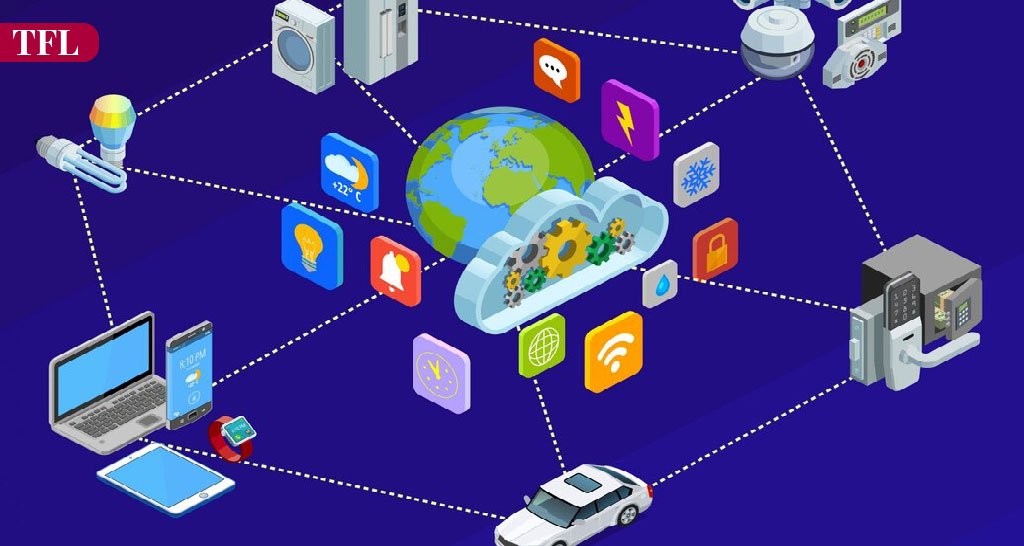
The Internet of Things (IoT) denotes a system of interconnected devices that can communicate and sharing data autonomously, without the need for human involvement. This concept includes a wide range of devices, such as industrial sensors, intelligent home appliances, wearable gadgets, and connected automobiles. These devices collect significant data that can inform business strategies, optimize operational processes, and elevate customer satisfaction. The growth of IoT is anticipated to be substantial as organizations increasingly embrace advanced technologies and depend on insights derived from data.

What is Edge Computing?

Edge computing represents a decentralized computing architecture in which data processing takes place near the source of data generation, as opposed to being transmitted to centralized cloud servers. By handling data locally or at the network’s periphery, edge computing minimizes bandwidth requirements and decreases latency. This characteristic renders it particularly suitable for applications that demand timely responses and situations where immediate decision-making is essential.

The Convergence of IoT and Edge Computing

The integration of IoT and edge computing is revolutionizing enterprise networks by delivering the necessary infrastructure to facilitate a diverse range of intelligent applications. Below are the ways in which these technologies are transforming businesses.

Real-time Data Processing and Decision-Making

IoT devices produce substantial amounts of data that can be utilized in real-time when processed at the edge. Edge computing enables organizations to analyze and process data at its source, which is essential for applications that require immediate action, such as predictive maintenance, remote monitoring, and autonomous systems. By executing decisions at the edge, companies can swiftly address challenges or seize opportunities, thereby enhancing efficiency and reducing downtime.

Reducing Latency

One of the primary benefits of edge computing is the considerable decrease in latency. By processing data at the edge, it eliminates the need for information to traverse extensive distances to reach a centralized data centre. This capability enables organizations to respond to data more swiftly and efficiently. In environments driven by the Internet of Things (IoT), where time is of the essence, reducing latency is crucial for ensuring seamless operations, particularly in sectors such as manufacturing, healthcare, and transportation.

Enhanced Security

As the prevalence of IoT devices continues to rise, the significance of security for enterprises grows correspondingly. Utilizing edge computing allows for local data processing, which minimizes the volume of sensitive information sent to the cloud. This approach aids in alleviating security threats and potential breaches, thereby providing enhanced control over data access and management.

Scalability and Flexibility

Edge computing enhances the ability of businesses to expand their IoT networks with greater efficiency. By allocating computational resources across various edge devices, organizations can manage rising data volumes without straining centralized systems. This decentralized framework allows enterprises to create adaptable and scalable networks that can readily support future expansion.

Future of IoT and Edge Computing

As IoT devices evolve in complexity and edge computing technology advances, organizations will persist in their efforts to innovate and enhance their networks. The capacity to gather, analyze, and respond to real-time data will emerge as a significant competitive edge for companies striving to maintain their leadership in various sectors. Additionally, ongoing progress in artificial intelligence and machine learning will further unleash the potential of IoT and edge computing, facilitating the development of more intelligent and agile enterprise networks.

How AI and Automation Are Redefining Enterprise Networks

In the contemporary business landscape, enterprise networks are essential for organizations to operate effectively, collaborate effortlessly, and foster rapid innovation. As companies expand and integrate more sophisticated technologies, the management of these networks has grown more complex. Nevertheless, the emergence of Artificial Intelligence (AI) and automation has provided businesses with cutting-edge tools that are transforming the design, deployment, and maintenance of networks.

AI-Powered Network Management

AI is significantly transforming enterprise networks by automating network management processes. In the past, network administrators were required to manually oversee network traffic, detect problems, and address disruptions. This approach was not only time-intensive but also susceptible to human error, frequently leading to network downtime and negatively impacting productivity.

The advent of artificial intelligence has revolutionized network management by facilitating real-time operations. Machine learning algorithms are employed to scrutinize network traffic, identify anomalies, and forecast potential issues prior to their manifestation. This predictive functionality empowers organizations to implement proactive measures to prevent network disruptions, thereby ensuring more seamless operations. Additionally, AI aids in recognizing usage patterns within the network, allowing companies to optimize bandwidth and enhance overall network efficiency.

Automation for Seamless Operations

Automation in network operations represents a significant domain where artificial intelligence is exerting a profound influence. Through the utilization of AI-driven automation tools, organizations can seamlessly configure, monitor, and resolve network issues without requiring manual input. This automation minimizes the likelihood of human error and allows IT teams to concentrate on more strategic initiatives.

AI-powered automation platforms, for instance, have the capability to autonomously implement network configurations, upgrade software, and install security patches. This alleviates the administrative workload for IT personnel and hastens the adoption of new technologies.

Improving Network Security

Security remains a significant concern for businesses, and artificial intelligence is instrumental in improving the security of corporate networks. Conventional security approaches, including firewalls and intrusion detection systems, tend to be reactive, addressing only threats that have already been identified. In contrast, AI-driven security solutions possess the capability to detect novel threats in real-time by scrutinizing vast amounts of network data.

Artificial intelligence can identify atypical patterns in network traffic, discerning novel attack vectors, and notifying administrators of potential security threats prior to their development into significant attacks.

Scalability and Flexibility

One significant benefit of incorporating AI and automation into enterprise networks is the improved scalability and flexibility it offers. As organizations expand, their network needs also increase. Solutions powered by AI can adjust effortlessly alongside the business, guaranteeing that network resources are distributed effectively in response to real-time demands. This level of adaptability enables enterprises to rapidly enhance their network infrastructure while maintaining optimal performance and security.

Conclusion

AI and automation are fundamentally transforming the way organizations oversee their networks. With advancements in predictive network management, improved security measures, and effortless scalability, these technologies are shaping the future landscape of network operations. By utilizing AI and automation, companies can optimize their network management procedures while also securing a competitive advantage in a progressively digital environment.

Assessing the Effectiveness of VPNs in Protecting Online Privacy

As concerns over online privacy continue to escalate, many individuals turn to Virtual Private Networks (VPNs) as a solution to protect their sensitive data from prying eyes. While VPNs offer an additional layer of security, questions linger regarding their effectiveness in truly safeguarding online privacy.

VPN services encrypt users’ internet traffic, making it difficult for third parties, including ISPs and hackers, to intercept and decipher the data. By routing internet traffic through secure servers, VPNs obscure users’ IP addresses, enhancing anonymity and privacy online.

However, despite these capabilities, the efficacy of VPNs in preserving online privacy hinges on several factors:

  1. Trustworthiness of VPN Providers: The effectiveness of a VPN largely depends on the provider’s commitment to user privacy. Users must carefully vet VPN providers to ensure they have robust privacy policies, do not log user activity, and employ strong encryption protocols. Some VPN providers may log user data or even sell it to third parties, undermining the very purpose of using a VPN for privacy protection.
  • Server Locations and Jurisdiction: The location of VPN servers and the jurisdiction in which the VPN provider operates can impact the level of privacy protection. VPN providers subject to data retention laws or government surveillance may compromise user privacy, despite claims of encryption and anonymity.
  • Leaks and Vulnerabilities: VPNs are not immune to leaks or vulnerabilities that could expose users’ true IP addresses or sensitive information. DNS leaks, WebRTC leaks, and insecure protocols can inadvertently reveal users’ online activities, compromising their privacy.
  • Usage Patterns and Habits: While VPNs encrypt internet traffic, users’ online behavior and habits can still compromise their privacy. Reckless sharing of personal information, visiting insecure websites, or falling victim to phishing attacks can undermine the protective measures offered by VPNs.
  • Limited Protection Against Malicious Actors: While VPNs safeguard against surveillance from ISPs and snooping on public Wi-Fi networks, they may offer limited protection against sophisticated cyber threats, such as malware or phishing attacks.

In conclusion, while VPNs play a crucial role in enhancing online privacy and security, their efficacy ultimately depends on various factors, including the trustworthiness of the provider, server locations, potential leaks, user habits, and the threat landscape. Users must exercise caution, conduct thorough research, and choose reputable VPN providers to maximize the protection of their online privacy. Additionally, complementing VPN usage with other cybersecurity best practices, such as using strong passwords, keeping software up-to-date, and practicing vigilance online, is essential for comprehensive privacy protection.